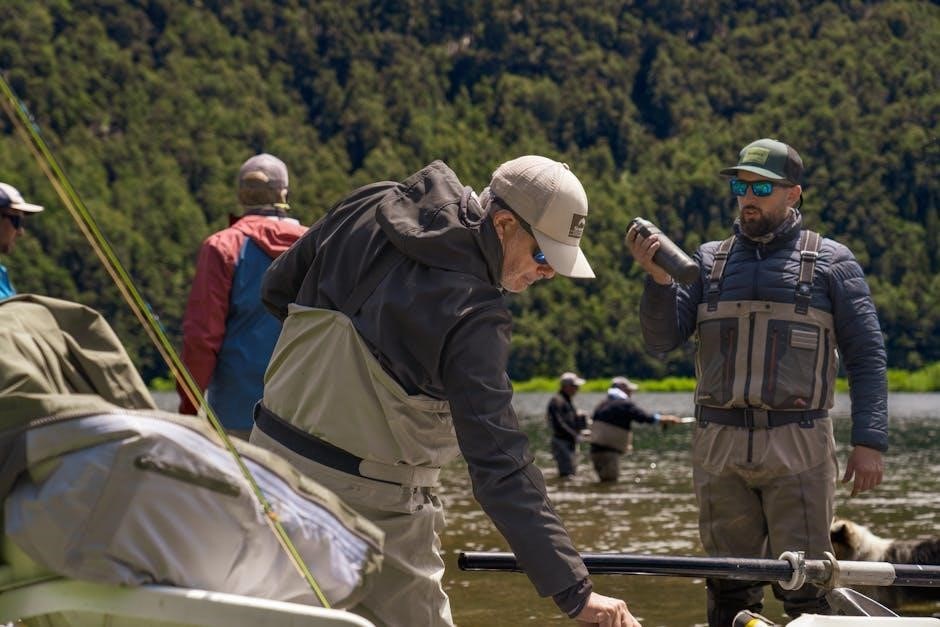
Lake Pleasant, AZ Fishing Guides: A Comprehensive Plan (02/02/2026)
Lake Pleasant offers exceptional year-round fishing, attracting anglers seeking bass, crappie, and striped bass.
Experienced fishing guides enhance success, especially during challenging winter conditions with specialized tactics.
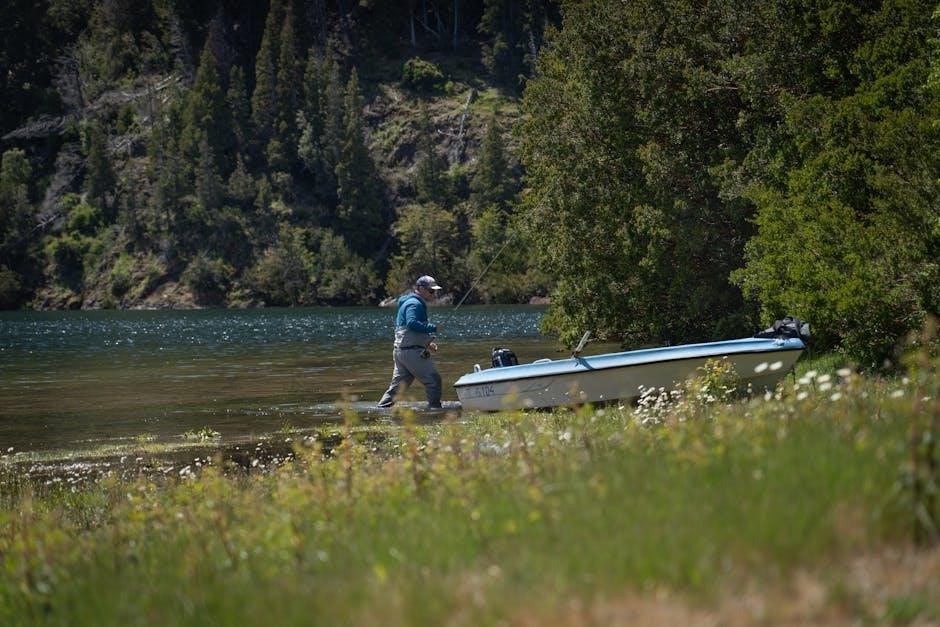
Lake Pleasant, a premier Arizona fishing destination, sprawls across 23,300 acres, offering diverse angling opportunities. Renowned for its consistent fish populations, it attracts both novice and seasoned anglers. The lake boasts a variety of species, including Largemouth Bass, Striped Bass, Crappie, and Catfish, ensuring a dynamic fishing experience year-round.
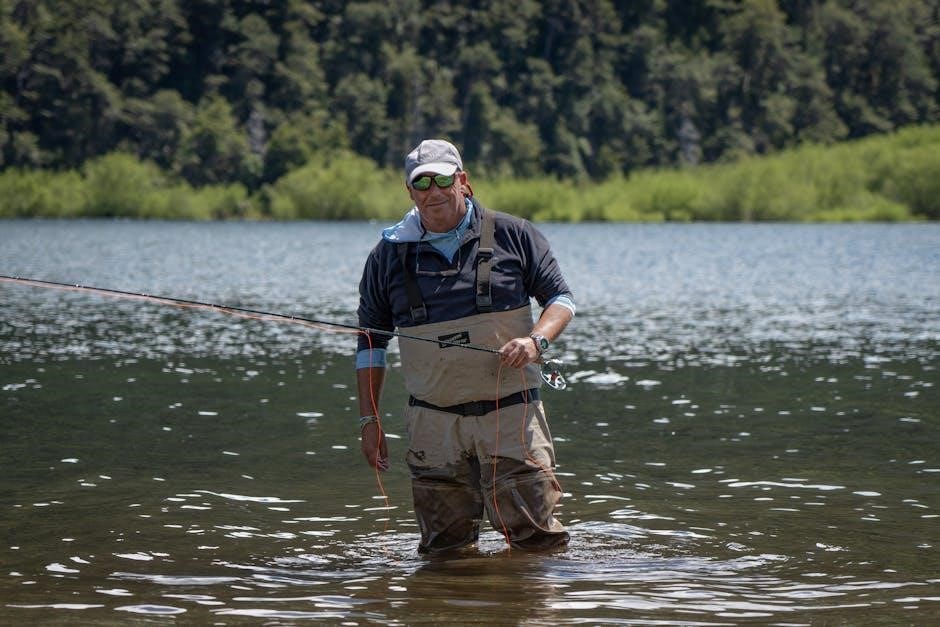
However, navigating the lake’s expansive waters and understanding seasonal fish behavior can be challenging. This is where the expertise of local fishing guides becomes invaluable. They possess intimate knowledge of productive fishing spots, effective techniques, and current conditions. Guides provide not only a higher chance of a successful catch but also enhance safety and offer educational insights into the lake’s ecosystem. Whether you’re targeting trophy Striped Bass or a cooler of Crappie, a guide can tailor the experience to your preferences.
Why Hire a Fishing Guide at Lake Pleasant?
Lake Pleasant’s size and fluctuating conditions demand local expertise; Hiring a fishing guide significantly increases your chances of success, especially during challenging periods like winter when fish are holding deep. Guides possess up-to-date knowledge of fish location, influenced by CAP pumping and water temperature (currently 54F-56F).
They provide all necessary equipment, eliminating the need for costly rentals or bringing your own. Beyond tackle, guides offer invaluable instruction on effective techniques – from jig fishing for bass to spooning for stripers and anchovy bait fishing. Safety is paramount; guides are familiar with the lake’s hazards and ensure a secure experience. Ultimately, a guide maximizes your time on the water, transforming a potentially frustrating outing into a memorable fishing adventure.
Popular Fish Species at Lake Pleasant
Lake Pleasant boasts a diverse fishery, attracting anglers targeting multiple species. Largemouth Bass are highly sought after, often found shallow chasing baitfish. Striped Bass provide thrilling fights, responding well to spoons, jerk baits, and anchovies, particularly during winter. Crappie offer consistent action, often congregated around structure.
Catfish provide opportunities for anglers seeking a different challenge. Additionally, Lake Pleasant supports a healthy Carp population, accessible to fly fishing enthusiasts. Understanding the habits and seasonal patterns of each species is crucial for success, and guides specialize in targeting these fish effectively, adapting to current conditions and utilizing proven techniques.
Largemouth Bass Fishing
Largemouth Bass fishing at Lake Pleasant is productive year-round, though strategies shift seasonally. Currently, with water temperatures between 54-56°F, bass are actively chasing baitfish in shallower waters. Fishing guides recommend utilizing poppers and 6th Sense Flow Gliders to capitalize on this behavior.
Jig fishing remains effective around submerged structure. Guides possess intimate knowledge of prime bass holding areas and employ techniques to locate and entice strikes. They understand the impact of the rising water level (CAP pumping season) on bass positioning. Expect varied presentations, adapting to changing conditions for consistent results, maximizing your angling experience.
Striped Bass Fishing
Striped Bass are a premier target at Lake Pleasant, and fishing guides specialize in locating these aggressive predators. The current winter bite demands specific tactics, as surface activity is minimal. Successful guides focus on deep-water presentations, targeting active forage populations like Bluegill and Sunfish.
Effective techniques include spoon fishing with 8-inch spoons and utilizing anchovy bait. Jerk baits mimicking shad or perch also prove productive. Guides leverage their expertise to interpret fish finder readings and pinpoint schools of stripers. They adapt to the rising water level, understanding how it influences striper movements and feeding patterns, ensuring a rewarding experience.
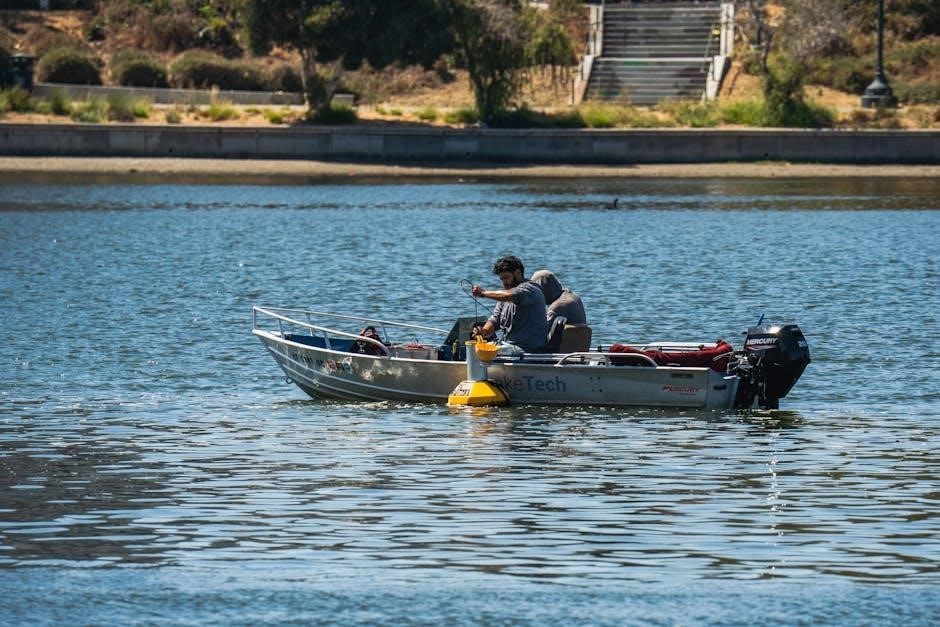
Crappie Fishing
Lake Pleasant fishing guides understand that Crappie provide consistent action, particularly during cooler months. While reports don’t specifically detail current crappie tactics, guides utilize their knowledge of structure and seasonal patterns to locate these popular panfish; They often target submerged brush piles, creek channels, and areas near the dam where crappie congregate.
Minnows are a staple bait for crappie, and guides know the optimal presentation depths and techniques for enticing bites. Jig fishing with small crappie jigs is also effective. Experienced guides can quickly adapt to changing conditions and locate productive crappie hotspots, maximizing your chances of a successful day on the water.
Catfish Fishing
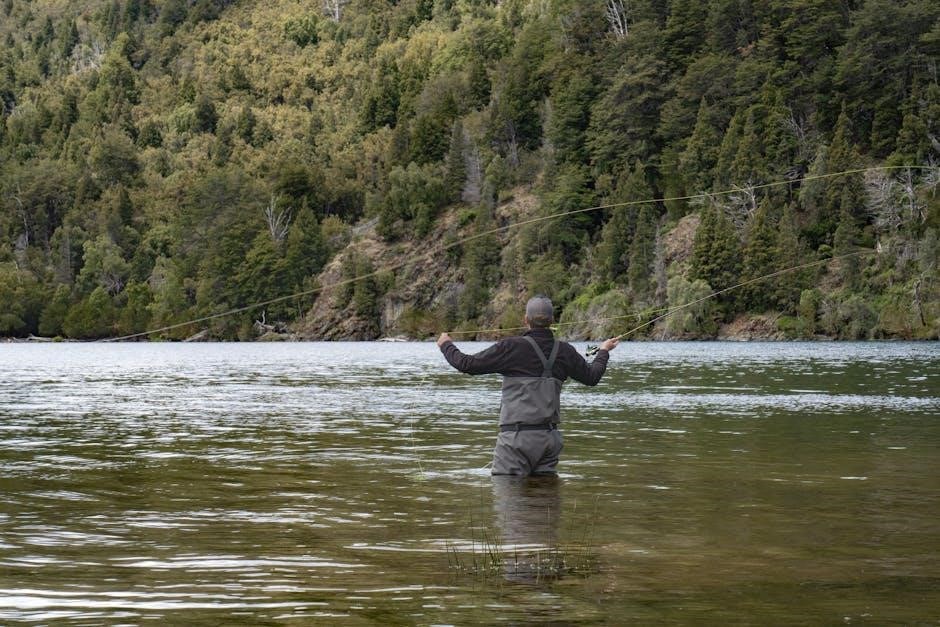
Lake Pleasant fishing guides recognize that catfish offer a rewarding angling experience, particularly for those seeking a strong fight. While specific recent reports lack detailed catfish information, guides leverage their understanding of the lake’s bottom structure and current flows to pinpoint prime catfish locations. They frequently focus on areas near creek channels, submerged humps, and the backs of coves.
Commonly used baits include stink baits, nightcrawlers, and cut bait. Guides often employ a variety of techniques, including bottom fishing with Carolina rigs and drift fishing. Their expertise ensures anglers are using the correct weight and hook size for optimal presentation, increasing the likelihood of landing a sizable catfish.
Seasonal Fishing Patterns at Lake Pleasant
Lake Pleasant fishing guides intimately understand the lake’s dynamic seasonal patterns, crucial for angler success. Spring (March-May) sees bass moving shallow for spawning, while summer (June-August) requires targeting deeper, cooler water for striped bass and catfish. Fall (September-November) offers excellent topwater action for bass as they feed aggressively before winter.
Currently (January 2026), winter demands specialized tactics due to cooler water temperatures (54F-56F). Guides focus on slow presentations and deep-water structure, capitalizing on active forage populations. They adapt strategies based on CAP pumping, influencing water levels and fish distribution, ensuring clients maximize their opportunities throughout the year.
Spring Fishing (March-May)
Lake Pleasant fishing guides excel during the spring spawn (March-May), a prime time for largemouth bass. Warming waters trigger aggressive behavior as bass move into shallow coves and flats to build nests. Guides utilize techniques like sight fishing with Texas-rigged plastics or swimbaits, targeting visible fish.
They also focus on pre-spawn staging areas, employing crankbaits and spinnerbaits. Striped bass begin their up-lake migration, offering opportunities for trolling or casting with shad-imitating lures. Knowledgeable guides understand the nuances of this period, maximizing client catches amidst changing conditions and ensuring a productive spring fishing experience.
Summer Fishing (June-August)
Lake Pleasant fishing guides adapt to summer’s intense heat (June-August), focusing on deep-water patterns. Bass seek cooler refuge in submerged structure and along the bottom. Guides employ techniques like Carolina rigging, drop-shotting, and jigging to reach these fish. Early morning and late evening trips are favored to avoid peak temperatures.
Striped bass remain active, often schooling and feeding on baitfish. Trolling deep-diving lures or using live bait like anchovies proves effective. Guides leverage their sonar expertise to locate fish and adjust tactics accordingly. Summer fishing requires patience and precise presentation, skills honed by experienced Lake Pleasant professionals.
Fall Fishing (September-November)
Lake Pleasant fishing guides capitalize on the fall transition (September-November) as water temperatures cool, triggering increased fish activity. Bass begin a pre-winter feeding frenzy, aggressively pursuing baitfish in shallower water. Topwater lures, crankbaits, and spinnerbaits become highly effective, offering exciting strikes.
Striped bass also become more active, often chasing shad schools near the surface. Guides utilize trolling techniques and cast nets to locate bait and position clients for success. Fall presents excellent opportunities for both quantity and quality fish. A Lake Pleasant guide’s knowledge of seasonal patterns is invaluable during this dynamic period.
Winter Fishing (December-February) ー Current Tactics Required (54F ⎼ 56F Water Temp)
Lake Pleasant fishing in winter (December-February), with water temperatures between 54F-56F, demands specialized tactics from experienced guides. Surface activity diminishes, requiring anglers to focus on deep-water structure. Slow presentations are key, as fish metabolism slows with the cold.

Guides proficient in techniques like jigging, drop-shotting, and slow-rolling crankbaits excel during this period. Anchovy bait fishing also proves effective, targeting suspended striped bass. Understanding forage fish distribution (Bluegill/Sunfish) is crucial. A skilled Lake Pleasant guide provides the expertise to locate and entice winter-lethargic fish.
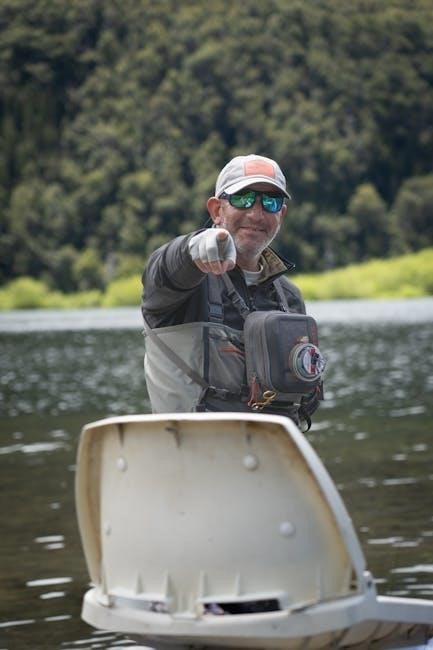
Top Fishing Techniques Used by Guides
Lake Pleasant fishing guides employ diverse techniques to maximize angler success. For Largemouth Bass, jig fishing around submerged structure is prevalent, alongside utilizing poppers when baitfish are visible. Striped Bass fishing heavily relies on spoon fishing, particularly with 8-inch spoons, and the effective use of anchovy bait.
Experienced guides also offer fly fishing opportunities targeting Striped Bass and Carp, utilizing appropriate fly patterns. Jerk baits mimicking shad or perch are also favored for Stripers. Adapting to conditions and fish behavior is paramount, and guides possess the knowledge to select the most productive method for each situation.
Jig Fishing for Bass
Lake Pleasant fishing guides frequently utilize jig fishing as a highly effective technique for targeting Largemouth Bass. This method excels around submerged structure like brush piles, rocky areas, and weed lines where bass ambush prey. Guides expertly present jigs, varying weight and color to match forage and water clarity.
They often employ a slow, deliberate retrieve, allowing the jig to penetrate cover and entice strikes. Skilled guides understand the importance of feeling the bottom and detecting subtle bites. Jig fishing proves particularly productive during periods of stable weather and when bass are holding tight to structure, offering consistent action.
Spoon Fishing for Striped Bass
Lake Pleasant fishing guides consider spoon fishing a premier technique for targeting Striped Bass, especially when they are actively chasing schools of baitfish. Guides typically employ larger, weighted spoons – often 8-inch models – to achieve maximum flash and vibration, attracting aggressive strikes. Vertical jigging spoons near submerged structure or along canyon walls proves highly effective.
Retrieving spoons with a fast, erratic action mimics fleeing bait, triggering predatory instincts. Experienced guides adjust their retrieve speed and depth based on fish location and water conditions. This method excels during periods of high striper activity, delivering exciting and consistent results for anglers seeking these powerful fish.
Anchovy Bait Fishing
Lake Pleasant fishing guides frequently utilize anchovies as a highly effective bait for Striped Bass, particularly when fish are holding deeper or are less aggressive. Rigging anchovies with a sliding sinker rig allows the bait to present naturally at the desired depth. Guides often troll slowly, covering expansive areas to locate active schools of fish.
The natural scent and oily texture of anchovies are irresistible to Striped Bass. Guides carefully monitor their fish finders, identifying bait concentrations and adjusting their trolling patterns accordingly. This technique consistently produces results, even during challenging conditions, making it a staple for many experienced Lake Pleasant guides.
Fly Fishing Techniques (Striped Bass, Carp)
Lake Pleasant fishing guides are increasingly incorporating fly fishing into their repertoire, targeting both Striped Bass and Carp. For Striped Bass, guides employ sinking lines and large, streamer patterns that mimic baitfish, effectively covering water and provoking strikes. Retrieves often involve fast strips, imitating an injured prey item.
Carp fishing with fly tackle presents a unique challenge and reward. Guides utilize specialized fly patterns resembling crustaceans or plant matter, presenting them near weed beds or flats where Carp feed. Patience and precise casting are key. This technique offers a thrilling alternative to conventional methods, appealing to adventurous anglers.
Essential Gear and Tackle Recommendations
Lake Pleasant fishing guides suggest a versatile tackle selection. Rods ranging from medium-heavy for bass to medium for crappie are crucial. Reels should hold 10-15lb test line. A variety of lures is essential: jerkbaits, spoons (8-inch for Stripers), and crankbaits. Don’t forget soft plastics and jigs for bass.
For bait fishing, circle hooks and split shot rigs are recommended. Polarized sunglasses are vital for spotting fish and structure. Sun protection (hat, sunscreen) is non-negotiable. A quality fish finder can significantly improve your success. Finally, a net and appropriate fish handling tools are essential for responsible catch and release.
Choosing the Right Lake Pleasant Fishing Guide
Selecting a Lake Pleasant fishing guide requires careful consideration. Prioritize guides with extensive local experience and proven expertise in targeting various species. Verify their Arizona Game and Fish Department licensing and ensure they carry adequate liability insurance for your protection.
Thoroughly review client testimonials and online reviews to gauge past customer satisfaction. Inquire about their guiding style – do they cater to beginners or experienced anglers? Discuss preferred techniques and target species upfront. A reputable guide will readily answer questions and customize the trip to your skill level and preferences, maximizing your fishing experience.
Guide Experience and Expertise
A seasoned Lake Pleasant guide possesses in-depth knowledge of the lake’s ever-changing conditions, seasonal patterns, and fish behavior. Expertise extends beyond simply locating fish; it encompasses understanding forage movements, water temperature impacts, and effective lure/bait presentations.
Look for guides demonstrating proficiency in diverse techniques – from jig fishing for bass to spooning for striped bass and anchovy bait fishing. Experienced guides adapt strategies based on current conditions, particularly crucial during winter when fish hold deep. Their ability to interpret sonar readings and identify productive structure significantly increases your chances of a successful day on the water.
Guide Licensing and Insurance
Ensuring your Lake Pleasant fishing guide is properly licensed and insured is paramount for a safe and legally compliant experience. Arizona Game and Fish Department requires guides to obtain appropriate permits to operate commercially on the lake. Verify their credentials before booking – a legitimate guide will readily provide proof of licensing.
Furthermore, comprehensive liability insurance is essential. This protects both you and the guide in the event of accidents, injuries, or property damage during the fishing trip. Confirming adequate insurance coverage demonstrates a professional commitment to safety and responsible operation. Don’t hesitate to ask for proof of insurance details.
Client Reviews and Testimonials
Before committing to a Lake Pleasant fishing guide, thoroughly investigate client reviews and testimonials. Online platforms offer valuable insights into past clients’ experiences, revealing the guide’s expertise, professionalism, and overall service quality. Pay attention to recurring themes – consistent praise or criticism can be highly indicative.
Look for detailed reviews that specifically mention the guide’s fishing knowledge, ability to locate fish, communication skills, and commitment to client satisfaction. Genuine testimonials often highlight successful fishing trips and a positive overall experience. A guide who actively solicits and displays client feedback demonstrates transparency and confidence in their services.
Cost of Hiring a Fishing Guide
The cost of hiring a Lake Pleasant fishing guide varies depending on several factors, including the duration of the trip, the type of boat, and the guide’s experience level. Generally, expect to pay between $400 and $800 for a half-day (4-6 hour) guided trip, and $600 to $1200 for a full-day (8-10 hour) excursion.
These prices typically include the guide’s fee, boat rental, and basic fishing equipment. However, additional expenses such as fishing licenses, bait, and fish cleaning services are usually not included and will be an extra cost. It’s crucial to clarify all costs upfront with the guide before booking your trip to avoid any surprises.
Lake Pleasant Regulations and Licensing
Lake Pleasant requires a valid Arizona Game and Fish Department (AZGFD) fishing license for all anglers 10 years of age or older. Licenses can be purchased online through the AZGFD website, at authorized license dealers, or at the Lake Pleasant marina. Daily and annual license options are available, catering to both residents and non-residents.
Specific regulations apply to Lake Pleasant, including bag limits, size restrictions, and gear restrictions for various fish species. It’s essential to consult the current AZGFD fishing regulations guidebook before your trip. Adhering to these rules ensures sustainable fishing practices and protects the lake’s valuable resources.
Current Lake Conditions (January 18, 2026)
As of January 18, 2026, Lake Pleasant is experiencing a rising water level due to the Central Arizona Project (CAP) pumping season, a crucial factor for winter fishing. Water temperatures currently range between 54°F and 56°F, influencing fish behavior and requiring specialized tactics.
The “winter bite” is described as technically challenging, demanding anglers fish deeper to locate active forage populations like Bluegill and Sunfish. Despite minimal surface activity, guides report rewarding results for those adapting to these conditions. These conditions directly impact guide strategies and recommended techniques for successful outings.
Water Level: Rising (CAP Pumping Season)
Currently, Lake Pleasant’s water level is steadily rising, directly attributed to the ongoing Central Arizona Project (CAP) pumping season. This influx of water significantly impacts fishing patterns, creating new submerged structures and expanding fish habitats. Guides actively monitor these changes, adjusting their strategies to target areas where fish congregate.
The rising water levels influence forage fish distribution, affecting predator activity. Experienced guides leverage this knowledge, locating prime fishing spots based on water flow and depth changes. Understanding the CAP pumping schedule is vital for predicting future water level fluctuations and optimizing fishing trips for clients seeking consistent results.
Water Temperature: 54F ⎼ 56F
The current water temperature at Lake Pleasant, ranging from 54F to 56F, dictates specific fishing tactics. This cooler temperature signifies a slower metabolism for fish, requiring guides to adjust their presentations accordingly. Successful anglers focus on deep water structures where fish seek thermal refuge.
Guides specializing in winter fishing employ slow-moving baits and precise lure presentations to entice strikes. Understanding thermoclines and locating areas with active forage – like bluegill and sunfish – are crucial. Expertise in deep-water jigging and utilizing electronics to identify fish holding areas becomes paramount for a productive day on the water.
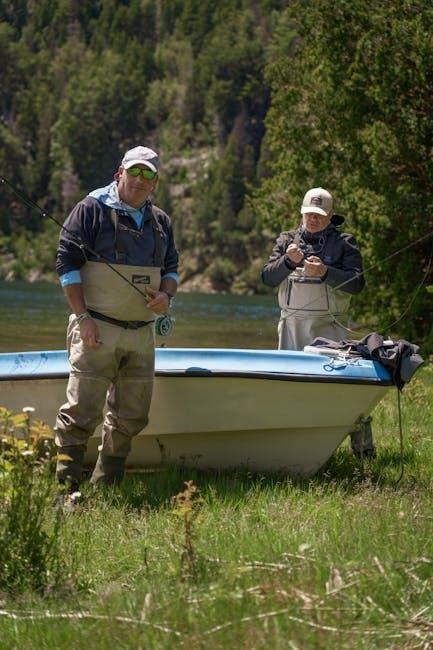
Popular Fishing Locations on Lake Pleasant
Lake Pleasant boasts diverse fishing hotspots, and experienced guides know where to target specific species. Popular areas include the backs of canyons, offering sheltered coves and structure for bass and crappie. The main lake basin holds striped bass, particularly when shad schools are present.
Guides frequently utilize areas near submerged humps, points, and creek channels, identified using sonar technology. Knowledge of the CAP pumping station area and its impact on water clarity and fish concentration is vital. Understanding seasonal fish movements and adapting to changing conditions ensures clients consistently find productive fishing locations throughout the lake.
Booking a Fishing Trip: What to Expect
Booking a trip with a Lake Pleasant fishing guide typically involves a phone call or online inquiry to discuss dates, target species, and angler experience levels. Expect to provide details about the number of anglers in your party. Most guides offer half-day and full-day options, with pricing varying accordingly.
Prior to the trip, guides will communicate essential details like meeting location, what to bring (sunscreen, hats, appropriate clothing), and licensing requirements. On the day of the trip, expect a safety briefing, gear setup assistance, and personalized instruction throughout the fishing experience. A successful trip focuses on education and maximizing your catch!
Safety Considerations When Fishing Lake Pleasant
Lake Pleasant, while beautiful, demands respect for safety. Always inform your fishing guide of any medical conditions or allergies. Wear life jackets, especially during cooler months or when conditions are windy. Sun protection is crucial – hats, sunglasses, and sunscreen are essential due to Arizona’s intense sun.
Be aware of changing weather patterns; storms can develop quickly. Hydration is paramount; bring plenty of water to avoid heat exhaustion. Follow your guide’s instructions regarding boat operation and handling of fishing equipment. Respect wildlife and maintain a safe distance. Prioritize responsible angling practices for a secure and enjoyable experience.
Lake Pleasant Fishing Reports ⎼ Staying Updated
Reliable fishing reports are invaluable for planning a successful trip with a Lake Pleasant fishing guide. Several sources provide current conditions, including reports from local anglers, guides, and retailers like Sportsman’s Warehouse; These reports detail species activity, effective lures (shad/perch jerk baits, spoons, anchovies), and productive locations.
Staying informed about water temperature (currently 54F-56F) and water levels (rising due to CAP pumping) is crucial, especially during winter. Weekly updates from expert fishing staff offer insights into current patterns. Subscribing to report services ensures you receive timely information, maximizing your chances of a rewarding fishing experience.
Resources for Lake Pleasant Fishing Information
For comprehensive Lake Pleasant fishing information, several resources prove invaluable when planning a guided trip. The Maricopa County Parks & Recreation website offers details on lake access, regulations, and current conditions. Local tackle shops, such as Sportsman’s Warehouse, provide up-to-date fishing reports and expert advice.
Online fishing forums and communities dedicated to Arizona angling offer insights from fellow enthusiasts and fishing guides. Websites specializing in fly fishing provide specific reports for Striped Bass and Carp. Consulting these resources, alongside direct communication with your chosen guide, ensures you’re well-prepared for a productive and enjoyable experience.