Router Table Plans PDF: A Comprehensive Guide (Updated 04/15/2026)
Discover a wealth of router table plans in PDF format, ranging from basic ToolCrib.com designs to advanced options from Fine Woodworking and Popular Woodworking, updated today!
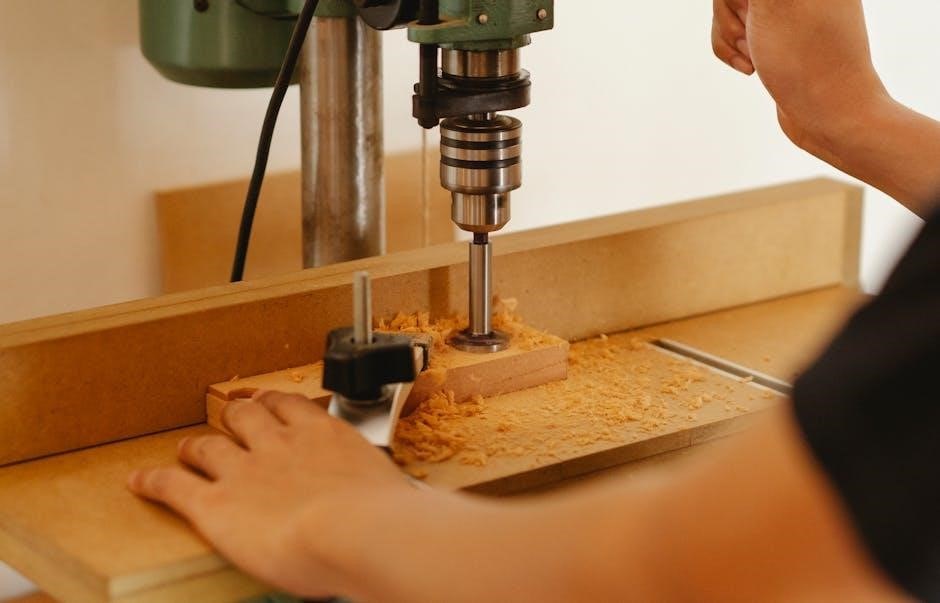
Router tables are indispensable tools for woodworkers seeking precision and control in shaping edges, creating joinery, and performing a variety of woodworking operations. Unlike handheld routers, a router table provides a stable platform, enhancing safety and accuracy. This guide focuses on router table plans PDF formats, offering a convenient way to access detailed instructions for building your own customized workstation.
The availability of free router table plans is extensive, with resources like ToolCrib.com offering basic, easy-to-follow designs. More sophisticated plans are available from publications like Fine Woodworking (FWW) and Popular Woodworking, often including video tutorials alongside downloadable PDFs. These plans cater to various skill levels, from beginners to experienced woodworkers, and encompass a range of features, including storage solutions and portability. Exploring these plans empowers you to construct a router table perfectly suited to your needs and workshop space.
Why Build Your Own Router Table?
Constructing your own router table offers significant advantages over purchasing a pre-built model. Primarily, it allows for complete customization, tailoring the table’s size, height, and features to your specific workflow and space constraints. Accessing router table plans PDF unlocks this potential, providing the blueprints for a truly personalized woodworking station.
Furthermore, building a router table can be considerably more cost-effective. While high-quality pre-made tables can be expensive, utilizing readily available materials and free plans – such as those found on ToolCrib.com – minimizes expenses. The satisfaction of creating a functional tool with your own hands is another compelling benefit. Resources like Fine Woodworking and Popular Woodworking offer plans that balance affordability with quality, empowering woodworkers to enhance their capabilities without breaking the bank.
Essential Router Table Components
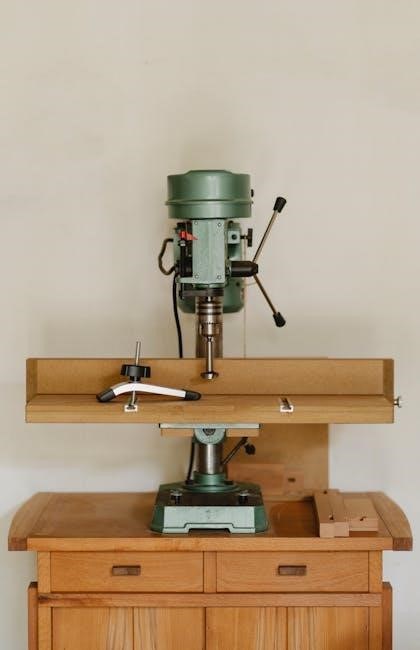
A functional router table, built from readily available router table plans PDF, comprises several key components. The tabletop, typically constructed from MDF or plywood, provides a stable and smooth surface for guiding workpieces. A robust frame, often built from wood, ensures rigidity and minimizes vibration during operation.
Crucially, a secure router mounting plate is required to firmly attach the router itself. Plans often detail methods for creating or acquiring these plates. Additional components include a fence system for guiding cuts, a miter slot for accurate angled work, and potentially, dust collection ports to maintain a clean workspace. Exploring resources like Fine Woodworking and Popular Woodworking reveals variations in component design, allowing builders to prioritize features based on their needs and skill level.
Router Selection & Compatibility
Choosing the right router is paramount when utilizing router table plans PDF. Compatibility hinges on the router’s base dimensions fitting the mounting plate specified in your chosen plan. Fixed-base routers are generally preferred for table mounting due to their stability, though plunge routers can be adapted.
Consider the router’s horsepower; larger bits and demanding cuts necessitate more power. ToolCrib.com plans often accommodate a range of router sizes, but verifying dimensions is crucial. Ensure the router’s collet size aligns with your bit collection. Plans rarely dictate a specific brand, allowing flexibility, but understanding router specifications ensures a secure and efficient setup. Prioritize routers with easy depth adjustment mechanisms for precise control.
Tabletop Material Considerations
Selecting the appropriate tabletop material is vital for a stable and functional router table built from router table plans PDF. MDF (Medium-Density Fiberboard) is a popular choice due to its flatness, affordability, and ease of machining. However, it’s susceptible to moisture damage.
Phenolic plywood offers superior durability and resistance to warping, making it a premium option. Solid wood tabletops, while aesthetically pleasing, require careful selection and construction to prevent movement. Fine Woodworking plans may showcase solid wood options. Consider the tabletop’s thickness; at least ¾ inch is recommended for rigidity. A melamine surface provides a low-friction work area, aiding bit performance. Ensure the material is compatible with your chosen mounting hardware and router table plans.
Free Router Table Plans: Overview

Numerous online resources offer free router table plans PDF, catering to various skill levels and budgets. ToolCrib.com stands out with its “Ultimate Guide,” providing 28 free plans, emphasizing basic designs and easy-to-follow instructions. Popular Woodworking offers a downloadable PDF containing three unique plans, complete with necessary information for construction.
Fine Woodworking (FWW) distinguishes itself by providing both plans and accompanying videos for their “Stow-and-Go Router Table” design, a significant advantage for visual learners. These plans vary in complexity, from simple, portable tables to more elaborate, stationary setups. Before starting, carefully review each plan’s requirements and assess your woodworking experience.
ToolCrib.com Plans: Basic & Easy
ToolCrib.com excels in providing exceptionally basic and easily understandable router table plans PDF. Their “Ultimate Guide” features 28 free plans, specifically designed for beginners or those seeking a straightforward build. Descriptions and accompanying drawings are clear and concise, minimizing confusion during the construction process.
These plans generally focus on a standard router table design, prioritizing functionality over intricate features. The emphasis is on simplicity, making them an ideal starting point for novice woodworkers. Expect detailed guidance, but without complex joinery or advanced techniques. ToolCrib.com’s approach is perfect for quickly creating a functional router table without a steep learning curve.

Popular Woodworking Plans: Three Unique Designs (PDF Download)
Popular Woodworking offers a valuable resource for router table enthusiasts with a free router table plans PDF download. This compilation isn’t just one plan; it provides three unique router table designs, catering to varying skill levels and workshop needs. The PDF comprehensively details each design, ensuring you have everything required for a successful build.
Expect detailed instructions, material lists, and clear diagrams to guide you through each step. These plans go beyond basic construction, potentially incorporating features like integrated dust collection or adjustable height settings. The variety allows woodworkers to choose a project that aligns with their experience and desired functionality, making it a versatile resource for building a custom router table.
Fine Woodworking (FWW) Stow-and-Go Router Table: Plans & Video
Fine Woodworking (FWW) elevates router table construction with their “Stow-and-Go Router Table” plan, available as a PDF download and accompanied by instructional videos. This isn’t just a plan; it’s a complete learning experience. FWW is known for its high-quality woodworking content, and this plan reflects that standard, raising the bar for DIY router table builds.
The “Stow-and-Go” design emphasizes portability and space-saving features, ideal for smaller workshops. The included videos visually demonstrate the construction process, complementing the detailed plans. Expect a focus on precision and durability, utilizing quality materials and techniques. This resource is particularly beneficial for woodworkers seeking a robust and easily storable router table solution, combining plans and visual guidance.

Plan Comparison: Features & Difficulty

Comparing available router table plans reveals a spectrum of features and difficulty levels. ToolCrib.com offers basic plans, prioritizing simplicity and ease of construction – perfect for beginners. Popular Woodworking’s PDF download presents three unique designs, introducing varied techniques and potentially increased complexity.
The Fine Woodworking (FWW) “Stow-and-Go” plan balances features with manageability, offering portability alongside robust construction. Difficulty scales with features; simpler plans lack integrated storage or advanced adjustability. Consider your skill level and workshop needs. Beginners should start with ToolCrib, while experienced woodworkers might prefer FWW or the diverse options from Popular Woodworking. Evaluate plan details, material lists, and video support to determine the best fit for your project.
Beginner-Friendly Router Table Plans

For novice woodworkers, selecting a beginner-friendly router table plan is crucial for a successful build. ToolCrib.com consistently emerges as an excellent starting point, offering plans with very basic designs and exceptionally easy-to-follow descriptions and drawings. These plans prioritize straightforward construction, minimizing complex joinery or intricate features.
The focus is on functionality over elaborate aesthetics, making them ideal for gaining experience. Look for plans utilizing readily available lumber and hardware. Avoid designs requiring specialized tools or advanced woodworking skills. ToolCrib’s plans are designed to build a standard, functional router table, providing a solid foundation for learning. Remember to carefully review all instructions before beginning construction.
Intermediate Router Table Plans
Stepping beyond beginner designs, intermediate router table plans introduce more complex construction techniques and features. Popular Woodworking offers a valuable PDF download containing three unique router table plans suitable for this skill level. These plans often incorporate features like integrated dust collection ports, more robust frame construction, and potentially, basic storage solutions.
Expect to encounter more detailed drawings and instructions, requiring a greater understanding of woodworking principles. Intermediate plans may involve techniques like dadoes, rabbets, or more precise joinery. While still achievable for DIY enthusiasts, these projects demand greater accuracy and attention to detail. Carefully assess your skillset before embarking on an intermediate build, ensuring you possess the necessary tools and confidence.
Advanced Router Table Plans with Storage
For experienced woodworkers, advanced router table plans prioritize robust construction, extensive storage, and refined features. These plans often move beyond simple tabletop designs, incorporating fully enclosed cabinets with drawers and shelving for bit storage, fences, and accessories. Expect intricate joinery, potentially including dovetails or mortise-and-tenon joints, demanding a high level of skill.
Fine Woodworking’s (FWW) Stow-and-Go Router Table exemplifies this category, offering a plan that balances functionality with space-saving design. Advanced plans frequently include adjustable features, like height adjustments or micro-adjustments for fences. Detailed plans and accompanying videos (like those from FWW) are crucial for navigating the complexities of these builds. These projects represent a significant investment in time and materials, yielding a professional-grade router table.
Materials List: Common Requirements
Regardless of the chosen plan, several materials consistently appear on router table shopping lists. High-quality plywood or Medium-Density Fiberboard (MDF) are staples for the tabletop and cabinet construction, offering stability and a smooth surface. Solid wood, such as maple, oak, or birch, is frequently used for the frame and legs, providing strength and durability.
Hardware includes screws, bolts, t-nuts, and potentially drawer slides. Fasteners should be selected based on the wood type and joint construction. Router table plans often call for a sacrificial phenolic insert for the tabletop, protecting the underlying material. Don’t forget materials for dust collection, like fittings and potentially a dust shroud. Accurate material estimation is vital before commencing construction.
Wood Types for Router Table Construction
Selecting the right wood significantly impacts a router table’s stability and longevity. Maple is a popular choice for frames and legs due to its hardness and ability to withstand stress, offering excellent support. Oak provides a classic look and robust construction, though it can be heavier. Birch is a cost-effective alternative, providing good strength and workability.
For tabletops, MDF is favored for its flatness and affordability, though it requires sealing. Plywood offers a balance of strength and cost, especially Baltic birch plywood; Avoid softwoods like pine for critical structural components. Consider the wood’s grain pattern and aesthetic appeal alongside its functional properties when making your selection.
Hardware & Fasteners Needed
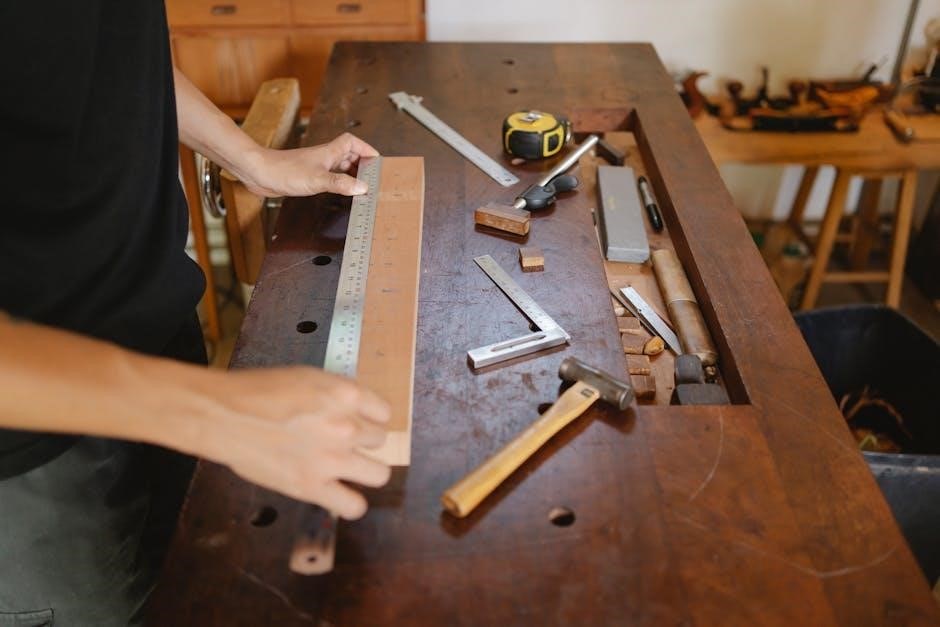
Constructing a router table demands specific hardware for a secure and functional build. Wood screws of varying lengths are essential for assembling the frame and attaching the tabletop. T-nuts and bolts are crucial for mounting the router securely, allowing for adjustments. Leveling feet are highly recommended for ensuring a perfectly flat work surface.
Threaded inserts can reinforce screw connections in softer woods. Clamps are vital during glue-up for a strong frame. Don’t forget dust collection fittings and hardware for optional storage solutions. Prioritize quality fasteners to prevent stripping and ensure long-term stability. Consider using a hardware checklist based on your chosen plans.
Construction Techniques & Tips
Successful router table construction hinges on precise techniques. Dry-fitting all components before applying glue is paramount, ensuring proper alignment. Utilize pocket-hole joinery for strong, concealed frame connections. Clamping is crucial during glue-up, applying even pressure for a solid bond.
Router bit height adjustment requires patience and accuracy; test frequently. MDF or phenolic plywood tabletops benefit from a robust support structure underneath. Pre-drilling screw holes prevents wood splitting. Always sand surfaces smooth before finishing. Refer to your chosen plan’s specific instructions and consider watching accompanying videos for visual guidance.
Building a Solid Router Table Frame
A robust frame is the foundation of any reliable router table. Plans often utilize 2×4 lumber for the base, ensuring stability. Pocket-hole joinery is frequently employed for quick and strong connections, creating a rectangular structure. Reinforce corners with additional bracing for enhanced rigidity, preventing wobble during operation.
Consider adding adjustable feet to the frame, allowing for leveling on uneven surfaces. Ensure the frame is square before proceeding; a slightly off-kilter frame will compromise accuracy. Plans from sources like ToolCrib.com emphasize simplicity, while Fine Woodworking designs may incorporate more complex joinery for increased durability and longevity. A well-built frame minimizes vibration.

Attaching the Router & Tabletop
Securing the router to the table is paramount for safety and precision. Most plans detail creating a router plate – often from MDF or phenolic resin – to which the router is mounted. This plate is then recessed into the tabletop, allowing for bit changes. Ensure a snug fit, using screws or bolts to firmly attach the router to the plate.

The tabletop, typically constructed from MDF or plywood, is then fastened to the frame. Plans may suggest screwing the tabletop directly to the frame, or utilizing threaded inserts and bolts for easy removal. A flush tabletop surface is crucial for smooth material flow. Consider adding a split fence for versatile routing operations, as detailed in various PDF guides.
Safety Considerations When Using a Router Table
Router tables, while powerful, demand strict adherence to safety protocols. Always wear safety glasses to protect against flying debris, and hearing protection due to the loud motor. A dust mask or respirator is crucial, as routing generates fine particles. Never reach over the spinning bit; utilize push blocks and featherboards to guide the workpiece safely.
Ensure the router is securely mounted and the tabletop is stable before operation. Disconnect the power before making adjustments or changing bits. Be mindful of the router’s direction of rotation and feed the material against it. Review plans carefully for recommended safety features, and prioritize a controlled, deliberate approach to every cut.