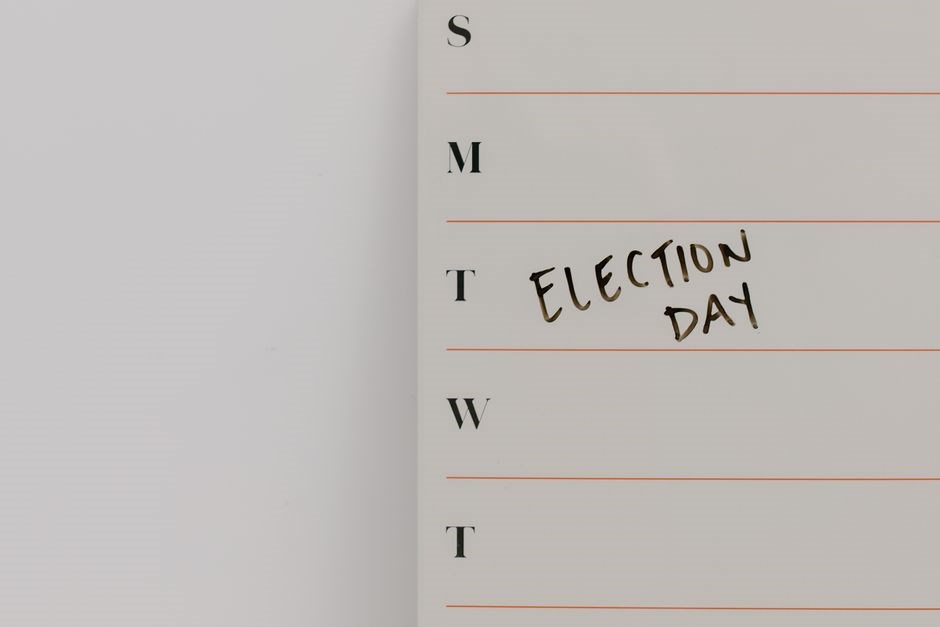
Days of the Week PDFs are versatile teaching tools. They let students recognize, read, spell each day, and practice sequencing. As reusable PDFs, they can be printed or shared digitally, supporting flexible classroom or homeschool use. They also reusable worksheets. They can be customized with colors Fun
Historical Context of Printed Week Calendars
Printed week calendars have evolved from early papyrus scrolls to modern digital PDFs. In the 19th century, paper calendars were mass‑produced, often featuring decorative borders and simple day‑of‑week lists. By the 20th century, educational publishers began producing specialized worksheets for early learners, such as the “Days of the Week Printables” from Hummingbird Homeschool. These worksheets, available in PDF format, allow teachers to print a reusable set of pages that students can color, trace, and practice spelling. The shift to PDF brought benefits: consistent formatting across devices, the ability to embed interactive fields, and easy distribution via email or cloud storage. Many educators still favor printable PDFs because they can be customized with color coding, sequencing, and additional activities like matching or sequencing games. The historical journey from hand‑written calendars to PDF worksheets illustrates how technology has expanded access to structured learning tools while preserving the core educational purpose of teaching the seven days of the week.

Since the early 2000s, many schools have integrated PDF calendars into learning platforms, allowing interaction with drag‑and‑drop tasks. The PDF format supports features such as tagged text and alt‑text for images, ensuring compliance educational standards. By combining visual cues with interactive elements, these resources reinforce memory retention and foster learning habits among learners!!! Explore additional resources for deeper learning.
Digital vs Physical PDF Format Advantages
Teachers can integrate PDFs into blended learning environments, where students annotate on the document using stylus. Exporting annotations as separate layers preserves the layout and captures student input in a flexible way to support collaborative learning and ensure consistency across sessions. Leveraging storage the same PDF can be accessed from multiple devices continuity home and school settings.

Common Formats and Content of Days of the Week PDFs
Days of the Week PDFs commonly feature color‑coded days, simple illustrations, and space for writing. Formats include single‑page worksheets, multi‑page activity books, and interactive forms. They often contain matching games, sequencing charts, and printable stickers for reinforcement. Enjoy! Learn.!
Printable Worksheets for Early Learners
Printable worksheets tailored for early learners combine visual appeal with educational purpose. Brightly colored headers—red for Monday, orange for Tuesday, yellow for Wednesday, green for Thursday, blue for Friday, indigo for Saturday, and violet for Sunday—help children associate each day with a distinct hue. Each page presents the day’s name in large, bold typeface, followed by a simple illustration of a common activity that occurs on that day, such as brushing teeth on Monday or playing soccer on Saturday. The worksheets include a matching activity where students drag the day’s name to the correct picture, reinforcing sequencing skills. Additionally, a blank line beneath each day allows children to practice writing the word, improving fine motor control spelling accuracy. The layout is spaced to accommodate small hands, with ample margin for pencil use. Teachers can print the sheets on standard 8.5×11 paper or laminate them for durability. Because the files are PDF, they can be reused indefinitely, saving classroom resources. Parents can download the set for home practice, ensuring consistency between school and home learning environments. The worksheets are designed to be low‑cognitive‑load, enabling focus on the core concept of the week’s order without overwhelming the learner. They also support differentiated instruction: a teacher can pair a more advanced student with a simpler version that only lists the days, while a struggling student receives a version with additional tracing lines. Keep going
Interactive PDF Templates for Classroom Use
Interactive PDF templates elevate classroom engagement by blending digital interactivity with familiar weekly concepts. These templates feature fillable text boxes for students to type the day’s name, checkboxes to mark completed activities, and radio buttons that allow learners to select the correct order of days from a shuffled list; Color‑coded backgrounds—red for Monday, orange for Tuesday, yellow for Wednesday, green for Thursday, blue for Friday, indigo for Saturday, and violet for Sunday—provide visual cues that aid memory retention. Embedded hyperlinks lead to short audio clips of the day’s name, supporting auditory learners. Teachers can embed a “sequence” slider that lets students drag the days into the correct order, providing instant feedback when the sequence is correct. The template’s metadata includes a “Version” field, ensuring that educators can track updates and maintain consistency across lessons. Accessibility is addressed by adding alt text to all images and ensuring that the PDF is compatible with screen readers. The file is optimized for both desktop and tablet use, allowing students to interact on a variety of devices during class or at home. By using a single PDF that can be printed or shared electronically, schools reduce paper waste while offering a versatile resource that aligns with modern teaching practices. This approach supports differentiated instruction, as teachers can adjust the difficulty level by enabling or disabling certain interactive elements. The result is a dynamic, reusable tool that keeps students actively involved in learning the days of the week while reinforcing sequencing and spelling skills.

How to Create Your Own Days of the Week PDF
Use Canva or Adobe Acrobat to design a template. Add seven pages, each with a day name, a color box, and a space for students to write the day. Save as PDF, enable fillable fields, and share with your class. Print or share online, customize colors.

Choosing a Design Tool (e.g., Canva, Adobe Acrobat)
When creating a Days of the Week PDF, the right design tool matters. Canva offers a drag‑and‑drop interface, free templates, and color‑coded options, perfect for quick, eye‑catching worksheets. Its paid plan unlocks premium assets and collaboration features that let multiple educators edit a single file in real time. Teachers can also embed images of the days or use icons to reinforce visual learning.
Adobe Acrobat Pro lets you build interactive PDFs with form fields, hyperlinks, and security settings. The “Prepare Form” tool auto‑detects fields, letting teachers add checkboxes, radio buttons, or drop‑downs for student work. Acrobat also supports password protection and digital signatures, useful for secure distribution. Additionally, the form fields can be set to require answers before submission, ensuring student engagement.
Both export to PDF, but Canva is simpler: design, adjust, download. Acrobat requires more technical steps, ideal for advanced form control and precise layout. New designers may favor Canva’s ready‑made layouts, while experienced users may choose Acrobat for granular PDF editing. Version control is handled automatically in cloud storage, so edits are tracked and previous versions can be restored.
Choose based on needs: Canva suits online sharing, instant collaboration, and quick revisions; Acrobat fits secure, password‑protected PDFs with advanced interactivity. Consider budget—Canva’s free tier covers most classroom needs, while Acrobat’s subscription grants full form functionality. Pick the tool that matches your comfort, interactivity level, and budget to streamline creation and boost learning. This approach saves time and reduces errors! better retention;
Incorporating Color Coding and Sequencing
Color coding is a powerful visual cue that helps students instantly identify each day of the week. By assigning a distinct hue to Monday through Sunday—such as blue for Monday, green for Tuesday, yellow for Wednesday, orange for Thursday, red for Friday, purple for Saturday, and pink for Sunday—learners can quickly scan a worksheet and locate the correct day. This technique is especially effective for early readers who rely on visual patterns before they can read the full word. In addition to color, sequencing elements such as arrows, numbers, or icons reinforce the order of the days. For example, placing a small numbered circle beside Monday or using a simple arrow line that moves from Monday to Sunday creates a clear path that students can follow. When designing a PDF, use bold, contrasting text for the day’s names and a lighter background color to maintain readability. Interactive PDFs can include clickable color swatches that change the background of the day’s box, allowing students to practice matching colors to names. For printable versions, provide a legend that explains the color scheme, so learners can reference it while completing activities. Consistency across worksheets—using the same colors for the same days—helps build automatic recognition. When sequencing, consider adding a “sequence card” that students can rearrange in order, reinforcing the concept of order and timing. This tactile element bridges the gap between static color coding and active learning. Students can color‑code days in their notebooks. practice!

Best Practices for Using Days of the Week PDFs in Education
Use PDFs to reinforce daily routines, align with standards, and assess sequencing. Offer color‑coded sheets, printable and interactive versions, and let students practice writing and spelling. Share PDFs via cloud for easy access!!
Aligning with Curriculum Standards
Teachers can also convert the PDF into interactive quizzes, letting students drag days into the correct order. This boosts engagement and offers instant feedback, correcting misconceptions on the spot. Aligning the activity with the school calendar ties lessons to real‑world events, making learning relevant and memorable. Students can also design weekly planners, labeling each day with goals daily, time‑management skills.

Assessment and Reinforcement Strategies
Assessment in a days‑of‑the‑week PDF context begins with a quick self‑check quiz embedded in the document. Students can tick boxes next to each day they can spell correctly, then cross‑check with a key. The PDF can also include a drag‑and‑drop activity where learners arrange the seven days in order, reinforcing sequencing skills. After the activity, a short reflection prompt asks students to write one sentence about what happens on each day, encouraging application of vocabulary in context.
Reinforcement is achieved through spaced repetition. Teachers can schedule weekly review sheets that revisit the days in a new order or pair them with calendar events. Using color coding—blue for weekdays, green for weekends—helps visual learners. For advanced learners, the PDF can prompt them to create a short story that uses all seven days, integrating narrative skills with factual knowledge. Finally, a printable “Day‑of‑the‑Week Bingo” game can be distributed, where students match spoken days to the PDF, turning assessment into a playful activity.
To reinforce retention, teachers can schedule brief daily quizzes that ask students to identify the next day in a sequence, using multiple choice or drag‑and‑drop formats. Incorporating real‑world examples, such as planning a field trip or a class event, helps students see the practical use of the week structure. Regularly revisiting the PDF keeps the concept fresh and solidifies learning.
Practice!!!
Accessibility and Reusability Considerations
PDFs should be tagged for screen readers, use clear headings, and include alt text for images. Reuse is key; store versions in cloud, keep original editable, and share via links. Color contrast and font size aid all learners.
Add metadata tags and use high‑contrast colors for better accessibility now.!!

Making PDFs Screen Reader Friendly

Creating a PDF that is fully accessible to screen‑reading software involves several deliberate steps. First, ensure the document is built with a logical reading order—use a word processor or PDF editor that automatically tags text, images, tables, and headings. Each heading should be marked with the appropriate Heading 1, Heading 2, etc., so the reader can navigate quickly; Second, add descriptive alt text to every graphic, icon, or colored shape; this text should convey the same information a sighted user would get from the visual cue. Third, use a high‑contrast color palette and a minimum font size of 12 points to aid users with low vision. Fourth, embed a Table of Contents that is itself tagged, allowing the reader to jump to sections like “Days of the Week” or “Sequencing Activities.” Finally, test the PDF with popular screen readers such as NVDA, JAWS, or VoiceOver, and correct any mis‑ordered elements or missing tags. By following these practices, educators can provide inclusive learning materials that work seamlessly for all students. Educators should also consider embedding interactive elements such as form fields or hyperlinks to supplementary resources, ensuring that these are properly tagged and accessible. Additionally, periodically reviewing the PDF with updated accessibility guidelines helps maintain compliance and supports diverse learning needs Use Arial or Verdana fonts and keep contrast ratios above 4.5:1 for WCAG 2.1 compliance
Version Control and Cloud Storage
When educators create or modify Days of the Week PDFs, maintaining a clear version history is essential. A simple naming convention—such as “DaysWeek_2026_v1.pdf,” “DaysWeek_2026_v2.pdf”—helps teachers track updates. Embedding metadata (author, creation date, keywords) inside the PDF further streamlines searchability and audit trails. For collaborative projects, shared folders with read‑only and edit permissions prevent accidental overwrites. By integrating a versioning strategy with cloud storage, educators ensure that the current Days of the Week resources are always available to students regardless of device. Teachers can also embed links. Such cloud‑based PDFs let teachers share progress data, making learn journey data‑driven learners !